Guide
What Materials Can You Laser? A Guide by Laser Type
Which materials diode, CO2, fiber and UV lasers can cut or engrave, from wood and acrylic to metal, glass, stone and tumblers, plus the materials you must never put under a laser.

In short
Wood, plywood, MDF, leather, paper, cardboard, cork and felt work on almost any laser. Acrylic needs a CO2 laser if it's clear or light-coloured. Bare metal needs a fiber or infrared laser; glass needs CO2 or UV. Never laser PVC, vinyl, faux leather, polycarbonate or anything you can't identify.
What a laser can cut or engrave depends mostly on its wavelength: each material absorbs some lasers and reflects or passes others. Use this guide with your machine's own material list, which overrides anything general. Examples come from the makers' published material lists (October 18, 2026).
Material by laser type
| Material | Blue diode | CO2 | Fiber / infrared | UV |
|---|---|---|---|---|
| Wood, plywood, MDF | Cut and engrave | Cut (thick) and engrave | Engrave lightly | Engrave, thin cuts |
| Leather (real) | Cut and engrave | Cut and engrave | Engrave | Engrave |
| Paper, card, cardboard, felt | Cut and engrave | Cut and engrave | No | Cut and engrave |
| Clear acrylic | No | Cut and engrave | No | Engrave |
| Dark opaque acrylic | Some cut and engrave | Cut and engrave | Marks black acrylic | Engrave |
| Coated / painted metal, powder-coated tumblers | Engrave (removes coating) | Engrave (removes coating) | Engrave | Engrave |
| Bare stainless steel, brass, aluminum, silver, gold | Limited (xTool lists stainless) | No (marking spray only) | Engrave; thin sheet cuts on fiber | Light marking |
| Glass | Dark or coated only | Engrave | No | Engrave, including inside |
| Slate, stone, marble, ceramic | Engrave | Engrave | Some | Engrave |
| Plastics (PE, PP, PET) | Varies | Varies | Some marking | Engrave and cut (xTool F2 Ultra UV) |
Wood
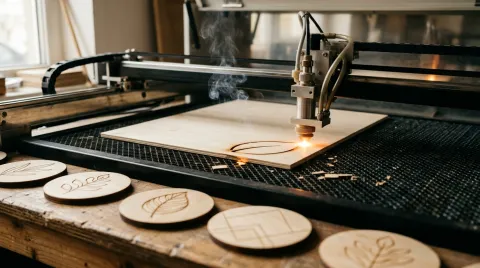
The easiest material. Basswood and laser-grade plywood cut cleanly; hardwoods engrave beautifully but cut slower. Ordinary plywood can have glue pockets that block cuts. Resinous woods flare more, so watch them closely.
Acrylic
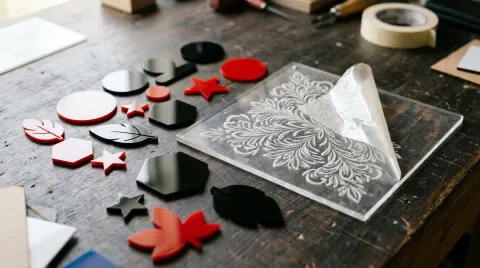
Cast acrylic engraves frosty white; extruded acrylic cuts with clean polished edges. Blue diodes can't cut clear or light-coloured acrylic because the beam passes through; xTool lists only "some dark opaque acrylic" as diode-cuttable. Glowforge says its Aura isn't compatible with clear, white or blue acrylic. Use a CO2 laser for clear acrylic.
Metal
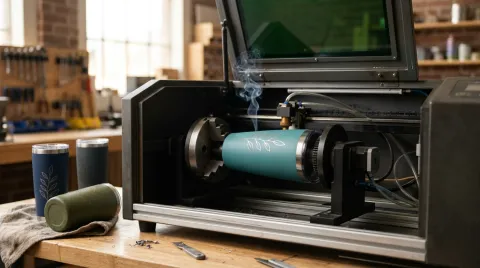
Bare metal reflects most laser light. A 1064 nm infrared or fiber laser is absorbed and marks it; xTool lists stainless steel, aluminum, brass, silver, platinum, titanium and gold for its fiber lasers. Diodes and CO2 lasers mark coated, painted or anodised metal, or bare metal treated with marking spray. See best laser engravers for metal.
Glass and stone
CO2 lasers frost glass and engrave slate, marble and tile well. UV lasers give fine detail on glass and crystal, and can engrave inside it. Blue diodes work on dark glass and slate.
Never laser these
| Material | Why |
|---|---|
| PVC, vinyl, faux leather, any chlorine-containing plastic | Releases chlorine gas; damages the machine (Emory, UT Austin, Glowforge) |
| Polycarbonate (Lexan) | Melts and burns, makes soot |
| PTFE (Teflon), epoxy and phenolic resins | Dangerous vapours (Stanford) |
| Fiberglass, coated carbon fiber | Harmful particles and fumes |
| ABS, HDPE, foams | Melt, catch fire or release harmful fumes; banned in many labs |
| Anything you can't identify | You can't know what it releases |
Read laser engraver safety for ventilation and fire precautions, and diode vs CO2 vs fiber to choose a machine for your materials.
Frequently asked questions
Can you laser engrave a Stanley or Yeti tumbler?
Can you laser cut vinyl stickers?
Can a laser engrave glass?
Sources
Specs, prices and claims in this article come from these sources.
- xTool S1 product page (diode material lists) · xTool · accessed Oct 18, 2026
- xTool F1 Ultra product page (fiber material lists) · xTool · accessed Oct 18, 2026
- xTool M2 product page (materials and vinyl note) · xTool · accessed Oct 18, 2026
- xTool F2 Ultra UV product page (UV materials) · xTool · accessed Oct 18, 2026
- xTool P2S product page (CO2 materials) · xTool · accessed Oct 18, 2026
- Glowforge Aura product page (material compatibility) · Glowforge · accessed Oct 18, 2026
- Prohibited materials for laser cutting · Emory University · accessed Oct 18, 2026
- Laser cutters safety guidance · Stanford Environmental Health & Safety · accessed Oct 18, 2026
Written by
Research and editing
The LaserEngravers editorial team researches laser engravers from manufacturer documents, published measurements and owner reports.